

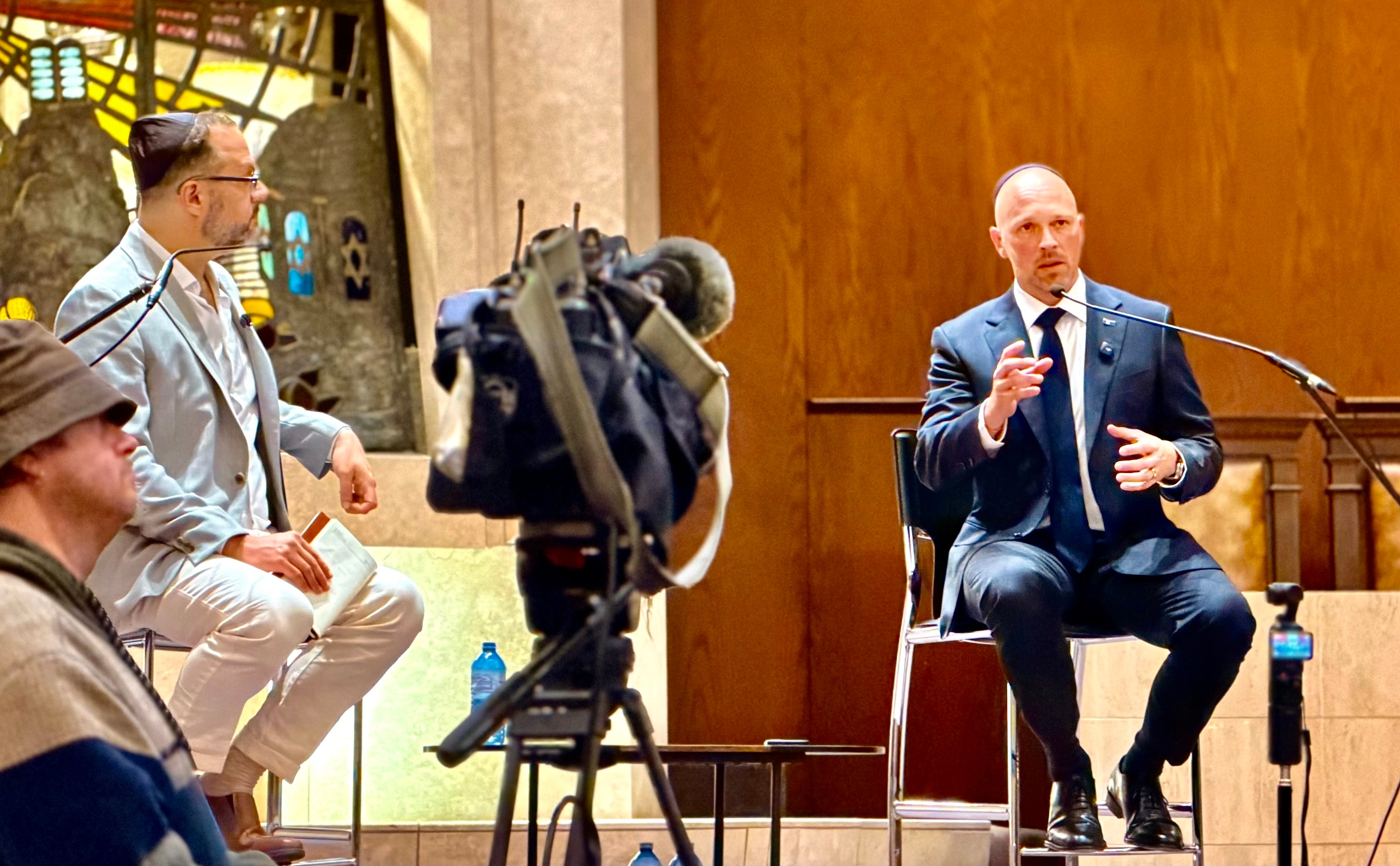
Tuesday night, Toronto got its first mayoral debate of the campaign. Or at least, it was supposed to.
What it actually got was a series of seven speakers, a moderator, and one glaring empty chair.
A rabbi opened the evening. Four city councillors took turns at the podium. Two mayoral candidates, Brad Bradford and Chris Alexander, sat down for one-on-one interviews. Jesse Brown of Canadaland moderated.
Olivia Chow was not in the building.
That was the biggest story before a single word was said about policy, and it’s the story that should follow this race. Can Torontonians support a mayor who is not willing to support all Torontonians?
Toronto’s municipal politics have been sleepy since the election following John Tory’s resignation in 2023. Tuesday night was the opening salvo of what could be an extremely interesting couple of months. Hell hath no fury like a populace scorned, and Torontonians will take note that their mayor lacked the courage to speak in front of a crowd composed mainly of grey-haired lawyers, clergy, and politicos.
Winners
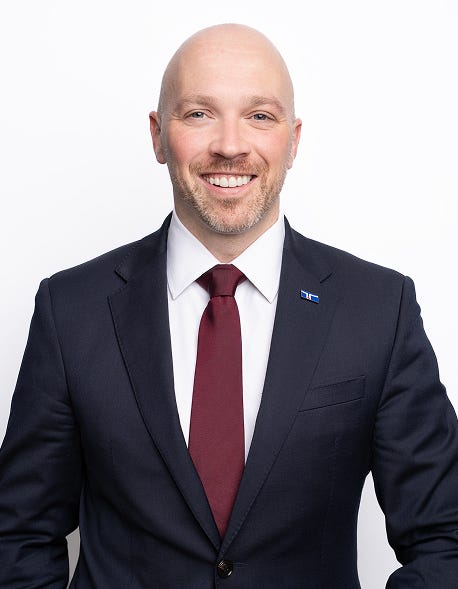
Brad Bradford
Bradford didn’t just show up. He owned the room, and he did it in what was essentially a home game for him. He took his shots at the mayor — but he took them respectfully. He captured the gravity of the moment perfectly and has developed into a strong storyteller. Bradford showed that he is the kind of candidate who can hold a crowd on a personal register and then zoom back out to “I want to be a mayor for everyone.”
He got the tangible stuff too. An official endorsement from Councillor James Pasternak. He got something close to one from Mike Colle — “I wouldn’t have a problem with Brad Bradford as mayor” — the kind of thing an Italian father might say when he approves of his daughter’s fiancé.
Bradford received multiple standing ovations over the course of the night. He took advantage of the environment.
On policy, Bradford met Brown’s questions with the specifics he was asking for — though he would not say what he thought about the current police chief. Bradford emerged from the night with strong stances on public safety and integrity, and an excellent kickoff to the stretch drive of the mayoral race.
Bradford indicated that safety needs to be priority number one. That’s not a complicated message. It’s just one he was willing to say plainly, on principle, in a way Mayor Chow has not been. This was a home game, and Bradford played it like one. Call it a coup.
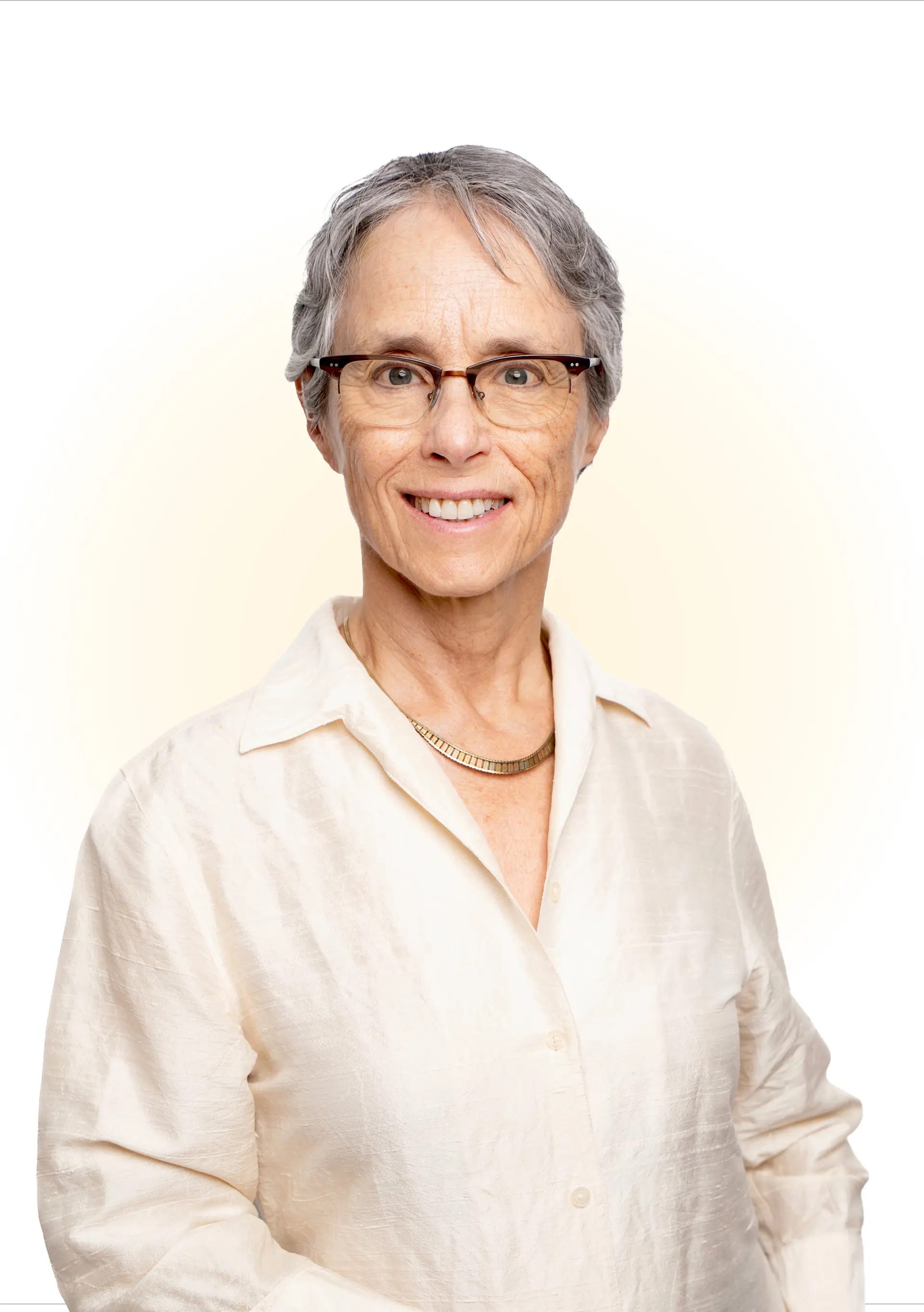
Diane Saxe
If the mayoral candidate interviews were the prize fight, the city councillor speeches were the undercard. No one in the audience expected the most compelling preliminary speech of the night to come from Saxe, but that’s exactly what happened.
Saxe alluded briefly to her last-minute change of plans without getting into details. She was a highlight because she held the crowd in a way that, frankly, surprised a lot of the audience who were at the time ready to proceed to the main event.
She may have been the best speaker on the stage.
Saxe talked about why she has been wearing a kippah for the better part of three years. Known as a progressive, Saxe spoke to her experience on council and told the story of the vitriol she’s been on the receiving end of from some of her constituents. The anecdote of the antisemitism that Saxe experiences on a regular basis is a testament to just how vital this subject is to address.
Saxe also made an impassioned appeal to the mechanics of council and the fact that, no matter who wins the mayor’s chair — council races might matter more. A sentiment that politics nerds of all stripes can appreciate.
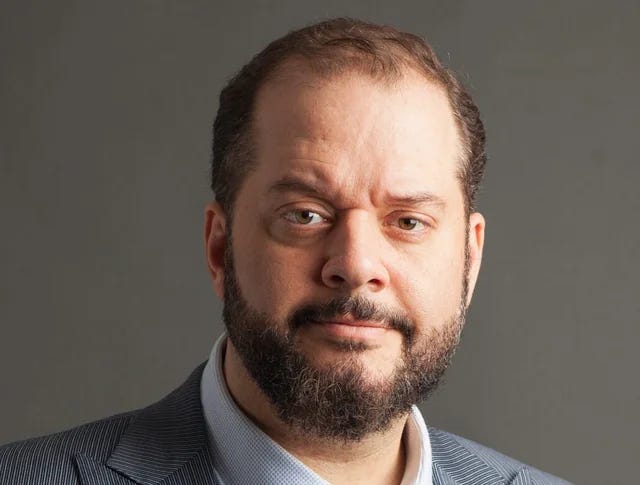
Jesse Brown
For several years now, Brown has been the target of a hate campaign. This evening was no different. His independent media company, Canadaland, has some of the most passionate subscribers in the nation. Many of his former subscribers have lost the plot and have sunk into some terrible behaviour.
Brown had to moderate an event with an incumbent-sized hole and addressed the elephant in the room — Chow — with grace and respect. There is no doubt he would have treated the mayor that exact way had she been in attendance.
As far as interviewing the two candidates he sat down with, he was fair but firm. When they gave him a political non-answer, he followed up instead of moving on.
Brown got Alexander to admit that he might drop out if winning seemed impossible as the campaign went on, and continued to push for answers that would have actually been relevant to the city. Alexander clearly did not have a mastery over the subject matter and Brown’s questions exposed that. None of those questions were gotchas, they were straightforward and disarming.
When sitting down with Bradford, Brown held the candidate to account on his record as a councillor and doubled down on some tough questions. He managed to get Bradford to actually answer the question about the roots of the actual problems of antisemitism and violence against Jews. Bradford met Brown’s toughest questions with specific answers — declaring that as mayor he would not abdicatewhat he sees as one of the most vital of duties — sitting on the police board. The police answer to the board, after all, and as Bradford tells it, every mayor for the last twenty years has sat in that chair — except Mayor Chow.
Brown, with a great deal of chutzpah, also managed to work in a mini membership drive for his company, a risky move in a place like Toronto where people don’t like to be solicited. Brown was upfront about why he was doing it: although combatting hate has been a feature of the coverage for Canadaland, they have lost some subscribers since covering antisemitism. You can check out Brown’s work at Canadaland here.
Hon mention: James Pasternak for picking a perfect moment for an endorsement.
Losers
Olivia Chow
Not showing up for Toronto is going to follow the mayor for the rest of this campaign. Torontonians don’t love being told, implicitly or explicitly, that they’re not worth an evening. You see it all the time when a sports team or their star player loses its lustre. That’s what skipping this event communicated, that this simply wasn’t worth the effort.
It might have been tough, but Chow could have shown up and shown grace instead. As Brown pointed out from the stage, the room would have gone in skeptical of her — that’s fair, that’s politics — but it would have been respectful. It would have given her a chance to make her case in front of the entire city. Like so many chances this mayor has had to deliver for her constituents, she simply didn’t take it.
Now, from the outset, Chow is in danger of losing her credibility. Toronto at its core is still a blue-collar town, Torontonians want a scrappy leader. Someone who will fight for them. They are not interested in someone who will cower away from adversity. This single terrible decision could be the string that unravels a fifty-year political career.
Toronto’s Keyboard Warriors
While the event itself was well attended. In the days leading up to the debate, there was a significant, coordinated wave of bad-faith activity. The brigading tried to defend Chow’s decision to not face the music. It tried to discredit the moderator and mischaracterize what the event actually was, before it had even begun.
Partisan activists repeated ad nauseam a racist fabrication that this event was some kind of Zionist death trap meant to ambush the mayor.
The inconvenient fact for that crowd: the word “Israel” was said zero times, by the moderator or by either mayoral candidate, across the entire evening. Zero.
The other inconvenient fact — about half of city council and dozens of candidates were in that room. Toronto’s body politic has, it seemed, smartened up to these characters. Anyone who would attempt to blacklist and suppress something as fundamental to democracy as a debate on public safety is not participating in politics in good faith.
Luckily for Toronto, the event was a success.
Josh Matlow
He went unnamed all night, but he didn’t go unmentioned. Saxe’s coup of a speech sniped at Matlow without naming him directly. Matlow’s ward carries a significant Jewish constituency, but he is on record voting against bubble zones in the city. He was the only Jewish councillor who didn’t speak on Tuesday night. There was no reason given by Matlow or the organizers.
He was at least, in attendance.
Matlow’s seat in Toronto-St. Paul’s is considered extremely safe. But nights like this are how “safe” seats start looking like something else — just ask challenger Jenny Kalimbet, who now might have some real leverage.
Hon Mention: The Toronto Police Chief was not in attendance
One debate does not determine the outcome of a campaign. But it can set the terms of one, and Tuesday night did that despite Olivia Chow attempting to dodge the question.
Brad Bradford started the campaign with momentum, integrity, and a strong stance on public safety for an entire city.
Chow started out with an empty chair.
This 'debate' was a gotcha stunt staged by right-wingers in order to try to smear Mayor Chow as a secret antisemite. Jewish Torontonians know her record, they know she stands opposed to all forms of bigotry and that she supports the 'two-tier' policing in Jewish neighborhoods and at synagogues and Yeshivas throughout the city. Her support of Jews and other minority groups is one reason I'll vote for her again.