
Canada's Sustainability Report Card Is in, and It's Not a Passing Grade
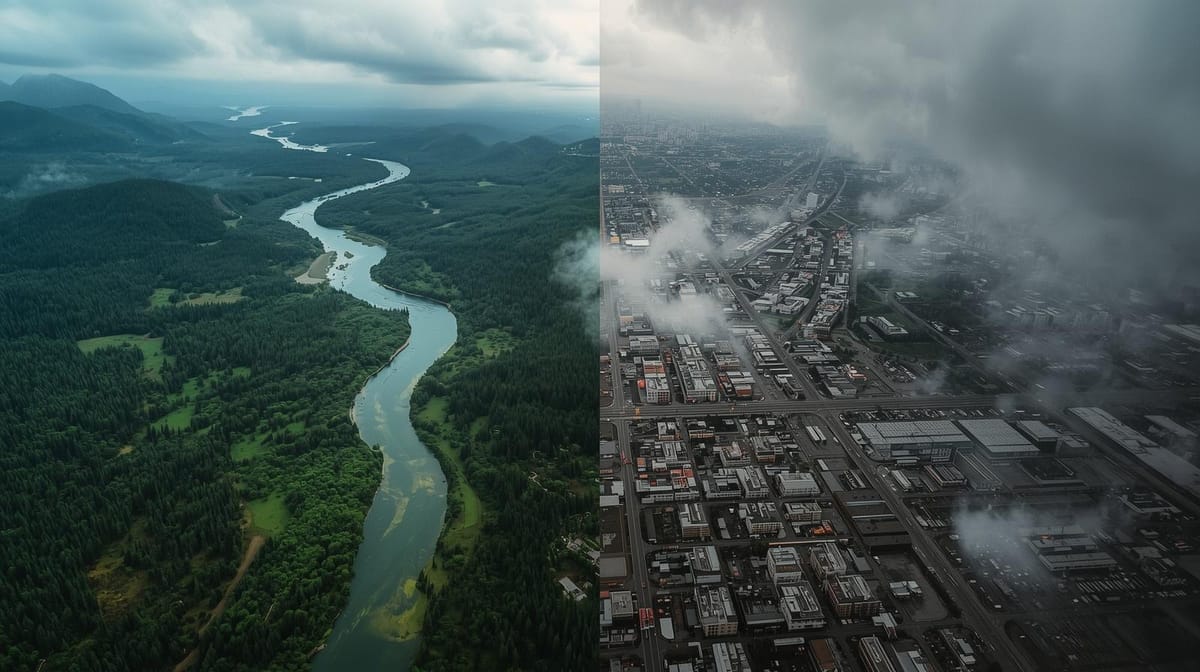
It’s rare to find a single document that tracks everything from the success of our $10-a-day childcare to the survival of wild Pacific salmon, but the recently released progress report on the 2022-2026 Federal Sustainable Development Strategy (FSDS) does exactly that. This report serves as a vital roadmap for our daily lives, monitoring essential priorities like housing affordability, climate action, and the cost of food. It tells a story about our national goals that everyone should know. To understand where we are going, we need to look at the results of this scorecard which show a country making some progress, but falling short of a passing grade.
To create this snapshot, the government set 50 national targets across our environment, our economy, and our social well-being. This year, for the first time, the report used a consistent, data-driven way to measure progress.
Here’s where we stand with the 50 targets:
- 5 have been achieved
- 17 are on track
- 7 have made progress, but acceleration is needed to reach the target
- 9 have made limited progress
- 9 have deteriorated, which means progress is moving away from the target since the starting point
- 1 has not been achieved
- 2 targets do not yet have available data for the three-year cycle
Successes and Ongoing Priorities
There are wins in this report that show what happens when we invest in change. We are seeing measurable gains in clean fuel production, better drinking water on reserves, and the growth of our science and technology talent. These are important steps forward.
However, some of the areas requiring more work are the ones Canadians feel most deeply. Issues like homelessness, mental health care, public transit, food security, and wastewater systems on reserves are all flagged as needing urgent attention, and several are actively moving in the wrong direction. This data shows us exactly where to focus our energy next, and the window to course-correct on some of these priorities is narrowing as 2026 deadlines approach.
Why Community Action Matters
One of the most important takeaways from the report is that sustainability is a shared responsibility. While national policies provide funding, the most meaningful progress often happens at the local level.
Community action is already helping to bridge these gaps:
- Local Food Systems: In many regions, community-led greenhouses and food hubs are directly tackling food insecurity and high grocery costs where national averages are falling behind.
- Conservation Partnerships: Efforts to protect wildlife often rely on local boots-on-the-ground community groups and Indigenous-led programs that monitor species and restore habitats in their own backyards.
- Climate Resilience: Neighbourhood projects, such as urban tree planting or local transit advocacy, help make our towns more resilient to the changing climate while improving daily life.
An Honest Conversation
At its heart, this 2025 progress report is a tool for every Canadian. It acts like a mirror, showing the distance between the goals we have set and the progress we are making today. None of this is a reason to be cynical. Instead, it’s a reason for an honest conversation about our priorities. By looking at the data, we can see exactly where we are on track and where we still have work to do.
You can read the full 2025 Progress Report on the Federal Sustainable Development Strategy here.
Comments ()